
The Shift from Traditional Transfers to Digital Remittance
18 February 2026
Discover why digital remittance is replacing traditional money transfers with faster speeds, lower costs, greater convenience, and improved transparency.
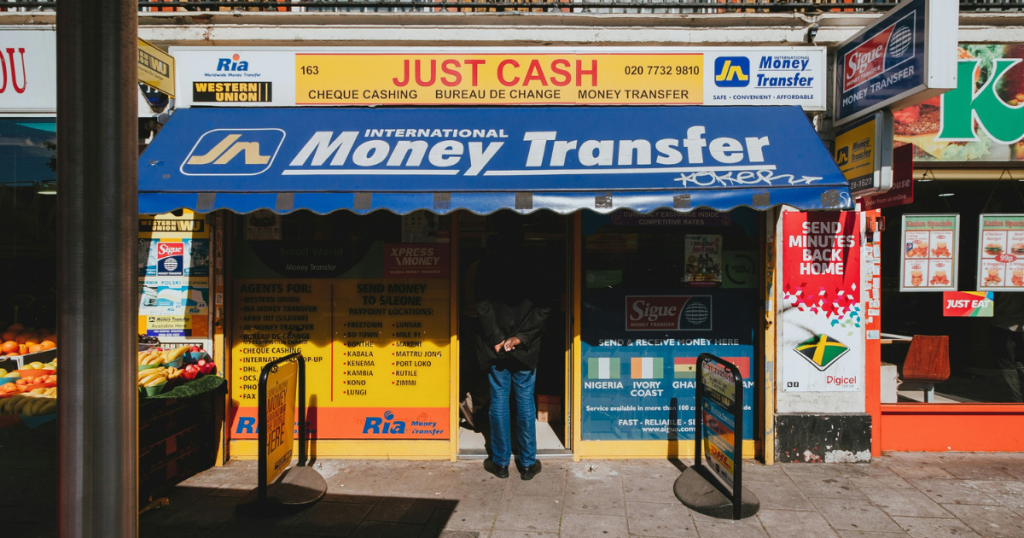
For decades, sending money abroad meant visiting a bank, lining up at a money transfer agent, filling out paperwork, and hoping the funds would arrive safely and on time. These traditional methods worked—but they often came with long wait times, limited access, and confusing fees.
Today, remittance is entering a new era. With smartphones, online banking, and fintech innovation, more people are choosing digital remittance instead of traditional money transfers. This shift matters because remittance isn’t just a transaction—it’s support for loved ones, financial stability for families, and a lifeline during emergencies. The easier, faster, and more transparent the process becomes, the more impact it can have on real lives.
What Are Traditional Money Transfers?
Traditional money transfer methods typically rely on cash-based or in-person services. These include:
- Bank wire transfers completed at a branch
- Cash transfer services through physical agents
- Money orders or drafts
- In-person remittance counters at financial institutions
Common Limitations of Traditional Remittance Methods
While they’ve been widely used for years, traditional money transfers come with several challenges:
- Slower processing times (often days)
- Limited hours of operation
- Dependance on physical locations
- Paperwork and identity verification delays
- Inconvenience for busy users or rural communities
Why Traditional Transfers were the Standard
Before mobile apps and digital finance tools became mainstream, traditional services were the most trusted and widely available way to send money internationally. They provided structure, physical receipts, and human assistance—important features when digital tools weren’t available.
What is Digital Remittance?
Digital remittance refers to sending money internationally through online channels rather than in-person methods. Instead of visiting a transfer office, users can complete a transfer through:
- Mobile apps
- Online platforms and websites
- Digital banking services
- Wallet-to-wallet transfers
How Digital Remittance Simplifies the Process
Digital remittance platforms remove many steps that used to slow transfers down. With digital services, users can:
- Register and verify identity online
- Send money from home using a phone or computer
- Track transfer status instantly
- Access exchange rates and fees upfront
The result is a smoother, faster, and more user-friendly experience.
Digital Remittance and Speed: Getting Money Where It's Needed Faster
Speed is one of the biggest reasons digital remittance is replacing traditional transfers.
Traditional Money Transfers vs. Digital Remittance Transfer Times
Traditional money transfers can take:
- Several business days for bank wires
- Hours or next-day arrival through in-person agents
- Even longer delays during weekends or holidays
Digital remittance platforms often deliver money:
- In minutes or within the same day
- With fewer manual processing steps
- Across borders with quicker settlement systems
Why Speed Matters for Remittance Recipients
Remittance is often sent to cover essential needs like:
- Rent and utilities
- Medical bills
- School fees
- Food and household expenses
When money arrives faster, families can respond to urgent situations without waiting or borrowing.
The Impact on Time-Sensitive Needs
Whether it’s an emergency hospital payment or unexpected travel needs, fast digital remittance helps senders deliver support at the moment it matters most.

Digital Remittance Offers Convenience and Accessibility
Digital remittance has transformed international money transfers into something that fits modern lifestyles.
24/7 Access from Mobile or Desktop
Unlike traditional services with limited hours, digital platforms allow users to send money:
- Anytime, day or night
- From a phone, tablet, or computer
- Without rearranging schedules or commuting
Reduced Reliance on Physical Locations
Traditional international money transfers depends on local branches or agents. Digital remittance removes the need to travel, wait in line, or carry cash.
Benefits for Busy Users and Limited Mobility
For working professionals, students, parents, or people with limited transportation, digital platforms offers a major advantage: money transfers without disruption.
Transparency and Control
One major drawback of traditional money transfer methods is uncertainty. Many users don’t know the full cost until the transfer is already in progress.
Digital remittance platforms improve transparency by offering:
- Clear updates on transfer status
- Visibility into total fees before sending
- Real-time exchange rate information
- Digital receipts and confirmation notifications
This makes sending money more predictable and helps users feel confident about where their money is and when it will arrive.
Security and Reliability
Security is a top priority in remittance, especially when funds are meant for loves ones and essential needs.
Digital platforms often include built-in protections such as:
- Secure encryption and data protection
- Authentication and verification steps
- Fraud monitoring systems
- Digital tracking and confirmation records
Compared to cash-based transfers, digital remittance can reduce the risk of:
- Loss or theft during travel
- Misplaced paperwork
- Incorrect pickup details
- Errors from manual processing
For many users, digital security features are a key reason they trust modern money transfer solutions.
Cost Efficiency Over Time
Digital remittance isn’t just faster—it can also be more cost-efficient.
Why Digital Remittance Often Costs Less
Digital platforms operate with fewer overhead expenses than physical money transfer locations. This creates operational efficiencies such as:
- Reduced staffing and branch costs
- Automated processing
- Competitive exchange rate systems
Many digital remittance services pass these savings on to users through lower fees and better rates.
Why Affordability Matters for Frequent Senders
For people sending money monthly—or even weekly—cost adds up quickly. Saving even a few dollars per transfer can make a meaningful difference over time.

Changing User Expectations
Today’s users expect financial services to be simple, fast, and mobile-first.
The Influence of Mobile Banking and Digital Wallets
With more people managing daily finances online, it’s natural that remittance is becoming digital too. Many users now prefer platforms that match the convenience of:
- Mobile banking apps
- Contactless payments
- Digital wallets
Demand for Faster and Simpler Financial Services
People no longer want to spend time on processes that can be done in minutes online. Digital remittance fits modern expectations by offering easy transfers without extra steps.
Generational Shifts in Remittance Behaviour
Younger generations are especially driving this change. They’re more likely to:
- Choose app-based remittance services
- Compare fees quickly
- Value speed and real-time updates
- Use digital options by default
The Role of Fintech Innovation
Fintech has played a huge role in improving money transfers worldwide.
Technology enables a better remittance experience through:
- Faster processing systems
- Smarter risk and fraud detection
- Mobile-first design and user-friendly interfaces
- Wider reach to underserved and remote communities
As fintech continues to evolve, digital remittance services will keep improving—becoming faster, more accessible, and more inclusive for people who depend on cross-border money transfers.
Conclusion
Digital remittance is replacing traditional money transfers because it offers what modern senders and recipients need most: speed, convenience, transparency, security, and better cost efficiency. As expectations change and technology advances, remittance is becoming easier to send, easier to track, and more reliable than ever.
For families and individuals who rely on remittance to stay connected and supported across borders, digital services aren’t just an upgrade—they’re quickly becoming the new standard.
Make the switch to digital remittance. Send money securely with OTT Remit today!


Disclaimer: The views and opinions expressed by the authors in this publication are their own and do not necessarily reflect the views of OTT Remit, OTT Financial Inc., and the OTT Group of Companies. This publication is provided for general information purposes only and should not be considered as exhaustive or comprehensive in covering all aspects of the discussed topics. It is not intended to replace seeking advice from a specialist or professional.
How To Send Money with OTT Remit
Follow three simple steps to send money quickly and securely to loved ones anywhere in the world.
Sign up for an account
Enter your name and phone number to create an account with OTT Remit.
Enter money transfer details
Choose your destination country and select one of three remittance methods: Cash Pickup, Mobile Wallet, or Bank Deposit. Enter your recipient's information.
Pay for your transfer
Complete your remittance by making an INTERAC e-Transfer. It's that easy!