
An introduction to
Lunar New Year Customs and Their Cultural Significance
9 February 2026
Learn what Lunar New Year is, its origins, traditions, symbols, and how it’s celebrated around the world across different cultures and regions.
Lunar New Year is a major celebration observed by millions of people around the world. It marks the beginning of a new year based on the lunar calendar, which follows the cycles of the moon. Because the lunar calendar does not align exactly with the Gregorian calendar, the New Year falls on a different date each year, typically between late January and mid-February.
More than just a holiday, Lunar New Year is a time for renewal, family reunions, and honouring tradition. It is one of the most important cultural celebrations worldwide, deeply rooted in history and still widely celebrated today across Asia and by global diaspora communties.
What is Lunar New Year?
Lunar New Year is the celebration of the first new moon of the lunar calendar year. It signifies the end of winter and the beginning of spring, symbolizing fresh starts, hope, and prosperity.
Cultures and Regions that Celebrate Lunar New Year
Lunar New Year is celebrated in many cultures and regions, including:
- China
- Vietnam
- Korea
- Singapore and Malaysia
- Taiwan and Hong Kong
- Other East and Southeast Asian communities worldwide
Different Names for Lunar New Year
While commonly referred to as Lunar New Year, the holiday is known by different names depending on the culture:
- Spring Festival (China)
- Tết, or Tết Nguyên Đán (Vietnam)
- Seollal (Korea)
- Chinese New Year (a commonly used but culture-specific term)
Despite different names, the core values and themes of the New Year remain largely the same across cultures.
The Origins and History of Lunar New Year
The origins of Lunar New Year date back thousands of years. The celebration began as a way to mark agricultural cycles, particularly the end of winter and the start of spring planting.
Connection to the Lunar Calendar and Agriculture
The lunar calendar was closely tied to farming life. The New Year signaled a time to rest after harvests and prepare for a new agricultural season. Rituals and celebrations were believed to bring favourable weather, abundant crops, and protection from misfortune.
Evolution of Traditions Over Time
Over centuries, Lunar New Year evolved from agricultural rituals into a rich cultural festival. Traditions expanded to include family gatherings, ancestor worship, symbolic foods, and customs designed to invite good fortune and ward off bad luck—all of which remain important today.
Core Themes of Lunar New Year
At its heart, Lunar New Year is built around meaningful themes that emphasize values shared across generations.
Renewal and Fresh Beginnings
The New Year represents a clean slate—a chance to leave behind bad luck and welcome new opportunities.
Family Reunions and Togetherness
Families prioritize spending time together, reinforcing bonds and unity during the New Year.
Honouring Ancestors and Elders
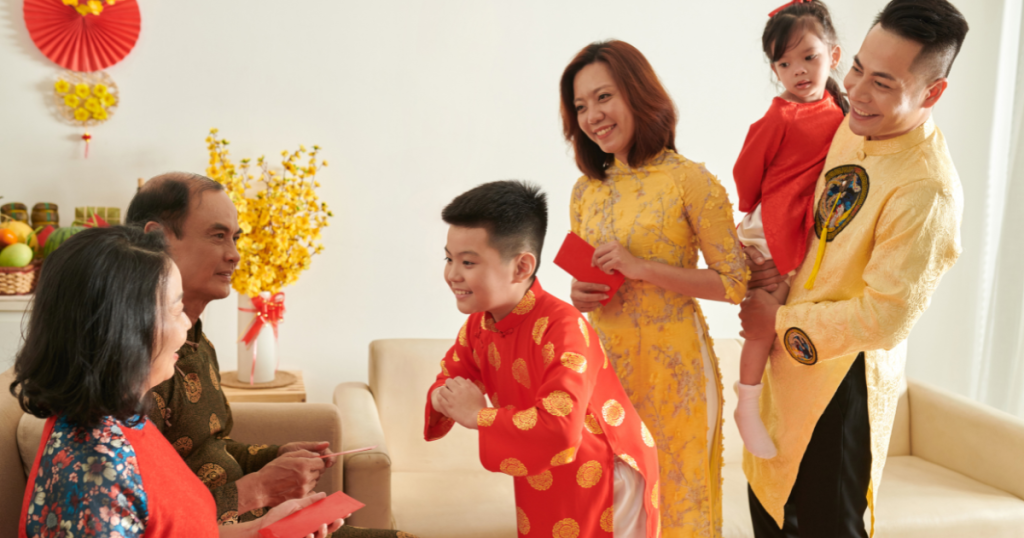
Paying respects to elders and ancestors is a central part of the New Year, reflecting gratitude and continuity.
Wishing Good Fortune, Health, and Prosperity
Every greeting, tradition, and symbol during the New Year is rooted in hopes for luck, health, happiness, and success in the year ahead.
Key Lunar New Year Traditions
There are many traditions associated with Lunar New Year, each carrying symbolic meaning. While customs vary by region, several practices are widely observed.
Family Reunion Dinners
The New Year reunion dinner is often the most important meal of the year. Families gather to enjoy symbolic dishes that represent prosperity, longevity, and unity.
House Cleaning Before the New Year
Before the New Year begins, homes are thoroughly cleaned to sweep away bad luck and make room for good fortune. Cleaning is usually avoided on New Year’s Day to prevent “washing away” luck.
Giving Red Envelopes
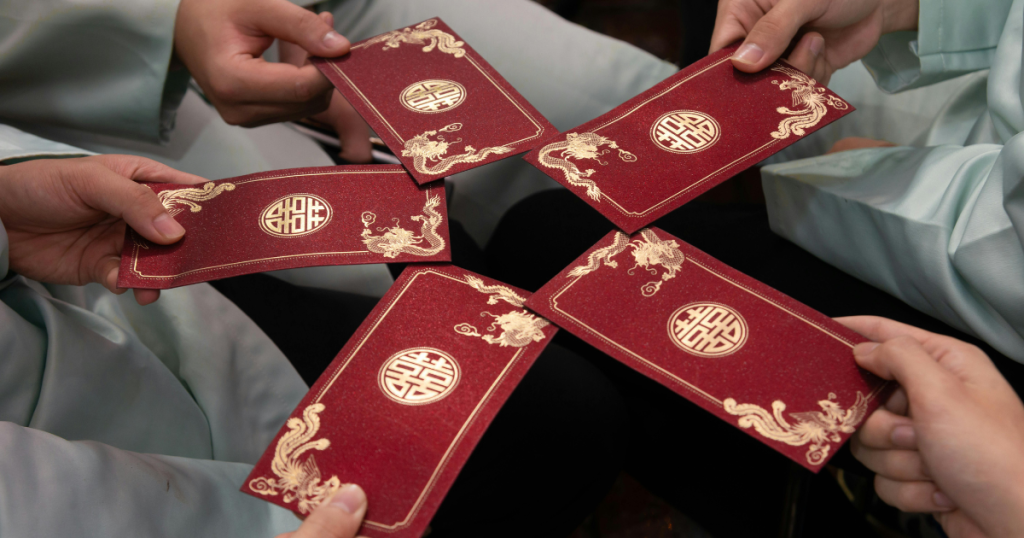
Giving Red Envelopes is one of the most well-known New Year traditions. Red Envelopes filled with money symbolize blessings, protection, and prosperity, with the intention being more important than the amount given.
Other Lunar New Year traditions include visiting relatives, offering prayers, wearing new clothes, and exchanging festive greetings.
Symbols and Their Meanings
Symbols play a major role in Lunar New Year, reinforcing its themes of luck and renewal.
- Red and gold colours: Represent happiness, wealth, and good fortune
- Firecrackers and fireworks: Used to scare away evil spirits and welcome the new year
- Zodiac animals: Each Lunar New Year is associated with one of the twelve zodiac animals, influencing the year’s character
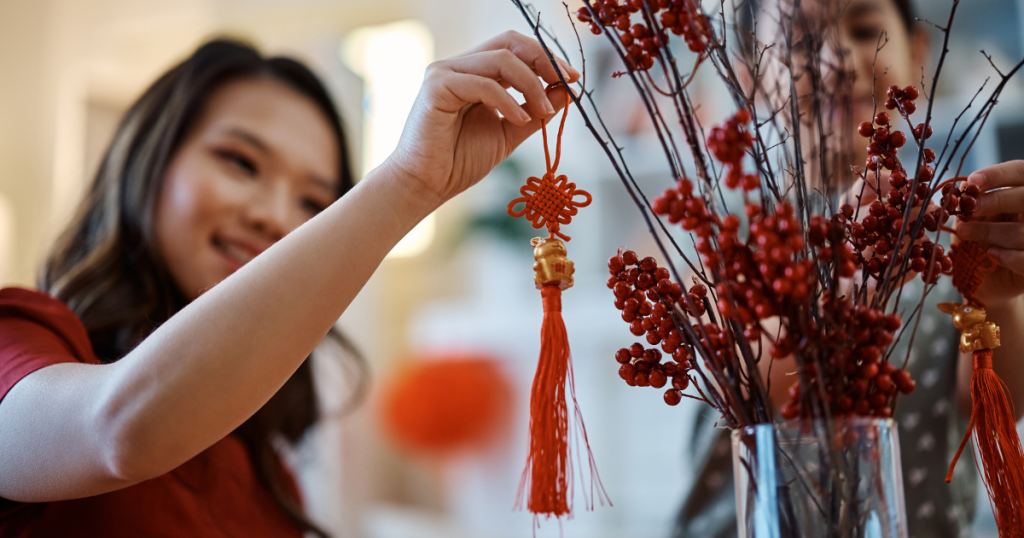
- Decorative items: Lanterns, couplets, paper cuttings, and calligraphy express wishes for prosperity, longevity, and success
How Lunar New Year is Celebrated Around the World
While the spirit of the New Year is shared globally, celebrations vary by region.
Regional Differences
Different cultures have unique customs and foods—such as dumplings, rice cakes, noodles, or sweets—each carrying symbolic meaning.
Public Celebrations and Festivals
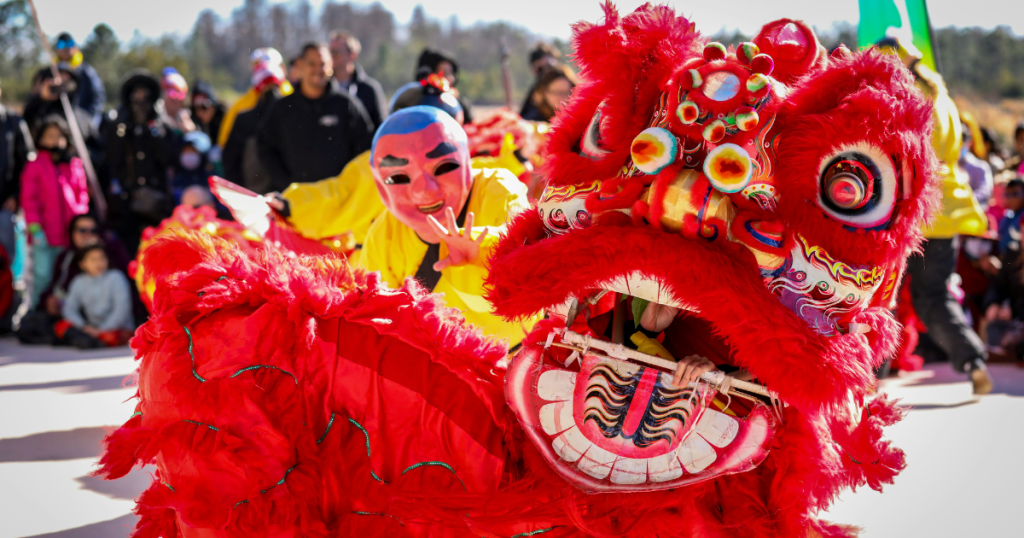
Many cities host parades, cultural performances, lion and dragon dances, and fireworks, making the celebration a public and festive event.
Celebrations in Diaspora Communities
Outside Asia, diaspora communities continue to celebrate the Lunar New Year through family gatherings, cultural events, and community festivals, preserving traditions while adapting to local cultures.
Modern Lunar New Year Celebrations
Today, Lunar New Year is evolving alongside modern lifestyles.
Blending Tradition with Modern Life
People balance traditional rituals with busy schedules, often celebrating over extended weekends or combining customs with contemporary practices.
Digital Red Envelopes and Online Greetings
Technology has introduced digital red envelopes and online greetings, making it easier to send New Year blessings instantly—especially to loved one abroad.
Younger Generations and New Expressions
Younger generations celebrate Lunar New Year through social media, digital art, modern fashion, and creative reinterpretations, keeping the tradition relevant and alive.
Conclusion
Lunar New Year is far more than a date on the calendar—it is a celebration of culture, family, and continuity. By honouring traditions, strengthening community ties, and embracing both old and new practices, Lunar New Year continues to thrive across generations and borders. Learning about and participating thoughtfully in Lunar New Year helps preserve its deep and cultural significance and shared values.
Send your Lunar New Year blessings instantly with OTT Remit’s Digital Red Envelopes!


Disclaimer: The views and opinions expressed by the authors in this publication are their own and do not necessarily reflect the views of OTT Remit, OTT Financial Inc., and the OTT Group of Companies. This publication is provided for general information purposes only and should not be considered as exhaustive or comprehensive in covering all aspects of the discussed topics. It is not intended to replace seeking advice from a specialist or professional.
How To Send Money with OTT Remit
Follow three simple steps to send money quickly and securely to loved ones anywhere in the world.
Sign up for an account
Enter your name and phone number to create an account with OTT Remit.
Enter money transfer details
Choose your destination country and select one of three remittance methods: Cash Pickup, Mobile Wallet, or Bank Deposit. Enter your recipient's information.
Pay for your transfer
Complete your remittance by making an INTERAC e-Transfer. It's that easy!