The Bagong Bayani Explained
Overseas Filipino Workers and Their Impact
23 February 2026
Learn how Overseas Filipino Workers shape the Philippine economy, support families through remittances, and embody the meaning of “bagong bayani.”
In the Philippines, the phrase bagong bayani is often whispered with pride and reverence— literally meaning “new hero” or “modern-day hero” in Filipino. This powerful label was first popularized during the late 1980s when former President Corazon Aquino used it in an address to Filipino workers in Hong Kong to honour the sacrifices of those working abroad.
Although heroes can take many forms— from healthcare workers and frontliners who risk their lives during crisis, to teachers shaping young minds and everyday citizens performing extraordinary acts of service— the term bagong bayani has especially come to describe overseas Filipino workers. This societal perception comes from the unwavering resilience, selflessness, and dedication shown by millions of Filipinos who leave home to provide for their families and communities, often at great personal cost.
Who are Overseas Filipino Workers?
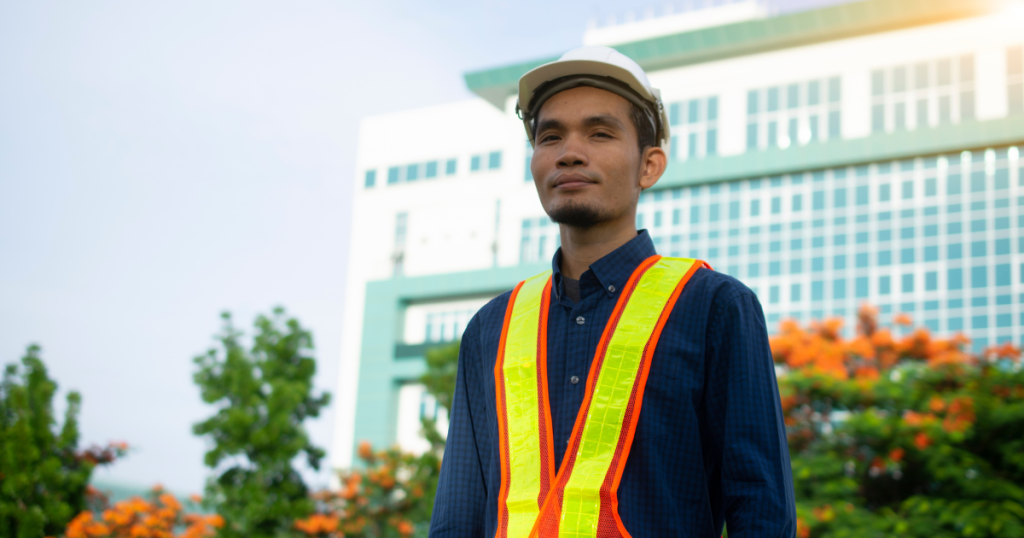
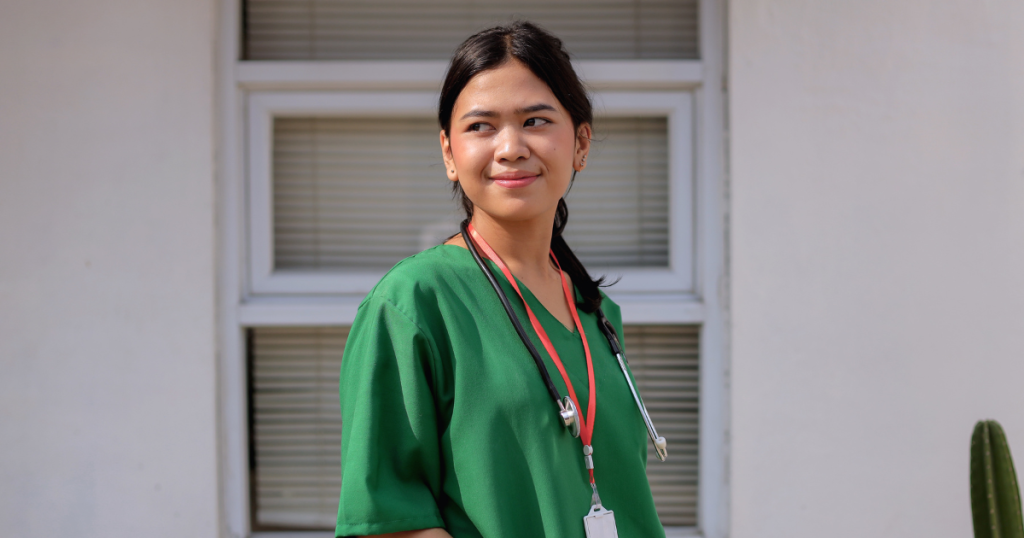
Overseas Filipino Workers (OFWs) are Filipino citizens who reside in another country for the purpose of employment, typically for a limited period of time. These workers span a wide spectrum of professionals, from healthcare professionals like nurses and caregivers, to domestic workers, seafarers, engineers, construction workers, educators, and hospitality staff.
Filipino migration for work is not new; it began in earnest during the 1970s when government-led labor export programs were created to address unemployment and economic challenges at home while meeting demand for labor abroad. Originally dubbed Overseas Contract Work (OCWs), these overseas workers later became known as OFWs—a shift cemented by the Migrant Workers and Overseas Filipinos Act of 1995.
Today there are millions of OFWs scattered across the globe, with large communities in the Middle East, North America, Europe, and Asia Pacific—making this diaspora one of the most dispersed and influential labour communities in the world.
Why Overseas Filipino Workers are Called the Bagong Bayani
The term bagong bayani encapsulates more than just the economic contributions—it recognizes the impact and sacrifices OFWs make for their families and country. At its core, the title reflects several key reasons:
- Economic contributions: OFWs are critical to the Philippine economy through remittances—financial support sent back home to help families meet basic needs, invest in education, start businesses, and lift households out of poverty.
- Family support: Many OFWs endure years of separation from loved ones, missing milestones and everyday moments, yet continue to prioritize their family’s well-being above their own comfort.
- National influence: Their collective efforts help stabilize the economy, fund community development, and support social programs.
Together, these contributions have turned the narrative of labour out-migration into one of pride, resilience, and national service—far beyond what income figures alone can convey.
The Economic Impact of Overseas Filipino Workers
One of the most tangible impacts of OFWs is their contribution to the Philippines economy through remittances—funds sent back to the Philippines from abroad. In 2024, personal remittances from overseas Filipinos hit a record $38.34 billion, representing about 8.3% of the country’s Gross Domestic Product (GDP).
These remittances serve multiple roles:
- Household support: Families using remittances for daily expenses, healthcare, education, and housing improvements.
- Local consumer spending: Money sent home fuels domestic consumption—a major driver of overall economic activity.
- Investment and business growth: Remittances often act as seed capital for small businesses and informal enterprises, creating jobs and stimulating community economies.
- Macro-economic stability: By supplementing national foreign exchange reserves and helping offset trade deficits, remittances act as financial buffers during economic downturns.
Their economic contributions also help sustain local markets and improve quality of life across regions, not only in urban centers but in rural provinces where opportunities are scarce.
The Social and Emotional Impact
While the economic contributions of OFWs are clear, the social and emotional toll on workers and their families is significant.
Challenges Faced by OFWs
- Separation from family: Long period away from spouses, children, and elderly parents can result in emotional stress and relational strain.
- Cultural adaptation: OWFs must adapt to new languages, customs, and work environments—often with limited support systems.
- Workplace vulnerabilities: Some face exploitation, unsafe working conditions, or limited legal protections, particularly in unregulated or informal job sectors.
Governments and community groups have recognized these pressures and established support systems, including:
- Reintegration programs for returning OFWs.
- Legal and welfare services for OFWs facing abuse or legal challenges abroad.
- Skills training and financial literacy programs to help maximize the impact of remittances.
These measures aim to ease both the practical and emotional challenges of working far from home.
How Modern Technology Supports Overseas Filipino Workers
Technology advancements have transformed the way OFWs connect with their families and manage financial support:
- Digital communication tools (video calls, messaging apps) help bridge emotional distances by enabling real-time interaction with loved ones back home.
- Online remittance services and mobile banking have made sending money faster, more secure, and often more affordable than traditional methods.
- Social media and community platforms provide space for OFWs to share experiences, access resources, and build global support networks.
These tools not only strengthen family bonds but also enhance financial inclusion, making life abroad more manageable and connected.
Conclusion
The title bagong bayani—“new heroes”—resonates deeply because it embodies the many roles Over Seas Filipino Workers play in the modern world. Through economic contributions, unwavering sacrifice, and a relentless commitment to family and nation, OFWs have shaped not only their own lives, but the future of the Philippines. Their journey reflects resilience, hope, and a kind heroism that transcends borders—truly deserving of being celebrated as the bagong bayani of our time.
Disclaimer: The views and opinions expressed by the authors in this publication are their own and do not necessarily reflect the views of OTT Remit, OTT Financial Inc., and the OTT Group of Companies. This publication is provided for general information purposes only and should not be considered as exhaustive or comprehensive in covering all aspects of the discussed topics. It is not intended to replace seeking advice from a specialist or professional.
How To Send Money with OTT Remit
Follow three simple steps to send money quickly and securely to loved ones anywhere in the world.
Sign up for an account
Enter your name and phone number to create an account with OTT Remit.
Enter money transfer details
Choose your destination country and select one of three remittance methods: Cash Pickup, Mobile Wallet, or Bank Deposit. Enter your recipient's information.
Pay for your transfer
Complete your remittance by making an INTERAC e-Transfer. It's that easy!